

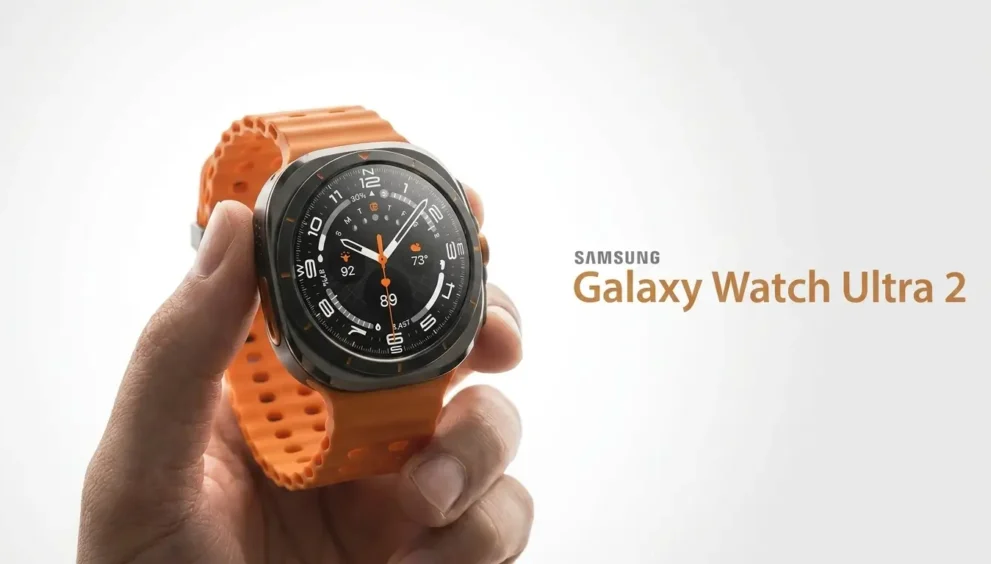
The Galaxy Watch Ultra 2 brightness story is bigger than a simple spec upgrade. A smartwatch screen that can supposedly push up to 4,000 nits is not just bright on paper. It is the kind of number that can change how the watch looks and feels in real life, especially under direct sunlight.
That said, brightness alone does not make a great smartwatch. A panel this powerful needs smart power management, and that is where the next big changes matter most. If Samsung can pair this display with a more efficient chip, faster charging, and better battery control, the Galaxy Watch Ultra 2 could become one of the most interesting wearables of the year.
Table of Contents
- Galaxy Watch Ultra 2 Brightness: Why 4,000 Nits Matters
- Galaxy Watch Ultra 2 Battery Life and 3nm Chip Improvements
- Galaxy Watch Ultra 2 Fast Charging: What 50% in 10 Minutes Could Mean
- Galaxy Watch Ultra 2 vs Other Premium Smartwatches
- Who the Galaxy Watch Ultra 2 Is Really For
- Pros and Cons of the Galaxy Watch Ultra 2 Brightness Upgrade
- Expected Price and Launch Outlook
- Key Takeaways
- Conclusion
- FAQ
- Watch the Full Video
Galaxy Watch Ultra 2 Brightness: Why 4,000 Nits Matters
The headline number here is 4,000 nits of peak brightness. On a smartwatch, that is not a small bump. It is a serious push toward better visibility in bright outdoor conditions, where many wearables still struggle.
For you, this matters most during daytime use. If you run outside, commute in harsh light, or check notifications while driving or walking, a brighter display means less squinting and faster glances. That improves the everyday experience more than many people realize.
A high-brightness panel also gives the watch a more premium feel. Text looks cleaner in sunlight, watch faces remain readable, and maps or fitness stats are easier to check quickly. That is the practical side of the 4000 nits smartwatch trend.
At the same time, extreme brightness is not free. The more output a screen produces, the more power it can demand. That is why display brightness alone is only half the story.
Galaxy Watch Ultra 2 Battery Life and 3nm Chip Improvements
A brighter screen is exciting, but it can also drain a battery fast. This is why the processor and internal efficiency matter just as much as the display. The real value comes from pairing the bright panel with smarter silicon.
Samsung is expected to move to a next-generation 3nm architecture, and that could be a major deal for Galaxy Watch Ultra 2 battery life. A more advanced chip usually means better power control, less wasted energy, and smoother performance under load. In simple terms, the watch should be able to do more while using less.
This also affects speed. A more efficient chip can help the watch feel snappier when you switch apps, load tiles, scroll through menus, or open health dashboards. Better responsiveness is one of those things you notice immediately, even if you never read a spec sheet.
There is also the software side. If Samsung tunes the interface well, the watch could render animations faster and handle background tasks more intelligently. That is especially important on a premium smartwatch that is expected to track health data, show notifications, support workouts, and stay bright outdoors all day.
The key idea is simple: if Samsung gets the power balance right, the Galaxy Watch Ultra 2 brightness upgrade becomes useful instead of wasteful. That is the difference between a flashy spec and a meaningful upgrade.
Galaxy Watch Ultra 2 Fast Charging: What 50% in 10 Minutes Could Mean
Battery life is only part of the equation. Charging speed can change how a smartwatch fits into your routine. A rumored 50% charge in around 10 minutes would be a very welcome improvement for busy users.
That kind of speed makes the watch much easier to live with. You would not need to leave it on a charger for long before heading out. A quick top-up before work, travel, or a workout could be enough to get through the day.
Fast charging is also a practical answer to the battery concerns that come with brighter displays and feature-heavy watches. If the battery does not last as long as some users want, charging speed can help offset the frustration. It does not replace long battery life, but it softens the problem.
This is especially important for people who sleep with their watch on. Sleep tracking, heart rate monitoring, and recovery metrics all depend on wearing the device overnight. Faster charging makes that daily routine much easier to maintain.
For many buyers, fast charging smartwatch support is no longer a bonus. It is becoming one of the most important features in the category.
Galaxy Watch Ultra 2 vs Other Premium Smartwatches
A natural question is how the watch might compare with other premium models. In most current smartwatches, peak brightness is important, but it is usually not pushed to extremes like this. Samsung appears to be aiming for a clear visual advantage.
That could matter a lot if you care about outdoor readability. Many competing premium watches are already strong in health tracking, app support, and ecosystem integration. Where Samsung could stand out is the combination of display impact, performance, and charging speed in one package.
The comparison is not just about brightness. It is about the full user experience. A watch with a very bright screen but weak battery life can feel frustrating. A watch with a decent display but excellent endurance can feel more reliable. The strongest product is the one that balances both.
This is why the rumored changes around the Galaxy Watch Ultra 2 brightness and the 3nm chip are so important. If the watch is not just brighter but also smoother and more efficient, it could challenge the best options in the premium wearable market.
Who the Galaxy Watch Ultra 2 Is Really For
This watch is not for someone who only checks the time and counts steps. It sounds designed for users who want a top-tier wearable with a big focus on visibility, speed, and convenience.
If you spend time outdoors, a brighter display could be a huge plus. If you use your smartwatch for workouts, maps, notifications, and health tracking, smoother performance and quick charging will matter even more. These are the people who benefit the most from a premium feature set.
It also makes sense for users who dislike charging their watch every night. Faster charging can make ownership feel less annoying, especially if you forget to charge often or use the watch heavily throughout the day.
On the other hand, if you are a casual user, this kind of smartwatch may be more than you need. The extra power, brightness, and premium hardware will likely come with a higher price. For many buyers, that means deciding whether the added convenience is worth the cost.
Pros and Cons of the Galaxy Watch Ultra 2 Brightness Upgrade
Here is the simplest way to think about it.
The biggest advantage is obvious: much better outdoor visibility. A 4,000-nit panel could make the watch far easier to read in sunlight. That alone may be enough to attract buyers who use their smartwatch outside often.
Another strong point is the possibility of better battery optimization through a more efficient 3nm chip. If Samsung delivers on that front, the watch could feel faster without becoming a battery drain.
Fast charging is another clear win. A watch that can regain half its battery in about 10 minutes is much easier to use day to day. It reduces downtime and makes the device more flexible.
The downside is also clear. A very bright screen can be overkill for some users, and it may not matter much if you mostly stay indoors. There is also the question of price. High-end smartwatch hardware usually costs more, and not everyone needs the most aggressive specs available.
So the trade-off is straightforward. You get premium convenience and top-tier visibility, but you may pay more for features you will not fully use.
Expected Price and Launch Outlook
Samsung has not officially confirmed final details in the public market sense, so any price discussion should be treated carefully. Still, based on where this product sits in the lineup, it is reasonable to expect a premium price tier.
A watch like this will likely sit above mainstream Galaxy Watch models. That is typical for an Ultra-branded wearable with upgraded display tech, stronger materials, and higher-end internals. Buyers should expect it to target the flagship smartwatch segment.
Launch timing is also important. A summer unveiling would fit Samsung’s usual rhythm for major device events. If that happens, the Galaxy Watch Ultra 2 could arrive with a strong marketing push around brightness, battery efficiency, and charging speed.
Until the final announcement, the safest approach is to treat the current information as an early preview rather than a finished product reveal. That said, the direction is clear. Samsung wants the next Ultra watch to feel faster, brighter, and easier to live with.
Key Takeaways
- The Galaxy Watch Ultra 2 brightness rumor centers on a huge 4,000-nit display.
- A brighter screen should improve outdoor visibility and day-to-day readability.
- Samsung is expected to focus on a more efficient 3nm chip for better performance and power use.
- Rumored fast charging smartwatch support could make top-ups much more practical.
- The most important question is balance, not brightness alone.
- This watch appears aimed at users who want a true premium smartwatch experience.
Conclusion
The Galaxy Watch Ultra 2 looks like a serious attempt to solve one of the biggest problems in wearable tech: the trade-off between display brightness and battery life. If Samsung really delivers 4,000 nits, a more efficient processor, and much faster charging, this could be one of the most compelling smartwatch upgrades in its class.
The real test will be how all of those pieces work together in daily use. A bright screen is impressive, but a great smartwatch must also feel fast, last long enough, and charge quickly when you need it. That is where the Galaxy Watch Ultra 2 could stand out.
For now, the biggest question is whether you value extreme brightness enough to pay for it. If you do, this may be a watch worth watching closely.
FAQ
What does 4,000 nits mean on a smartwatch?
It means the display can get extremely bright, which helps improve visibility in sunlight and other bright conditions.
Will the Galaxy Watch Ultra 2 have better battery life?
It may, especially if Samsung uses a more efficient 3nm chip and improves battery management through software optimization.
Is the Galaxy Watch Ultra 2 brightness really necessary?
For outdoor users, it could be very useful. For indoor or casual users, the extra brightness may be less important.
How fast could the Galaxy Watch Ultra 2 charge?
Rumors suggest it may reach 50% in about 10 minutes, which would be a major improvement for convenience.
How does the Galaxy Watch Ultra 2 compare with other premium smartwatches?
Its main advantage appears to be display brightness combined with efficient hardware and fast charging. That could give it a strong edge in outdoor readability.
Is the Galaxy Watch Ultra 2 worth waiting for?
If you want a premium smartwatch with a brighter screen and better charging potential, it sounds promising. If your current watch already works well, the upgrade may depend on final price and battery results.
Watch the Full Video
For more in-depth tech content, visit the Tech Chat YouTube channel.